Critical Learning | Guiding Questions |
Dance serves many social and cultural purposes, not just for entertainment as it is often seen in Western cultures. Dance is a way to bring communities together and celebrate important moments in the daily lives of people (e.g. the harvesting of crops). | What story can dance tell about the agricultural practices of a country? |
Curriculum Expectations | Learning Goals |
Creating, Presenting, and PerformingA.3 Dance Techniques: demonstrate an understanding of the dance techniques and movement vocabularies of a variety of global dance forms; A3.1 demonstrate an understanding of the principal movements of a variety of global dance forms Reflecting, Responding and AnalyzingB2. Dance and Society: demonstrate an understanding of how societies present and past use or have used dance, and of how creating and viewing dance can benefit individuals, groups, and communities; B2.1 identify and describe the characteristics and function of a social dance within a society FoundationsC2. Contexts and Influences: demonstrate an understanding of the social, cultural, and historical origins and development of dance forms, including their influence on each other and on society; C2.2 describe how artistic, social, political, and environmental events have influenced the evolution of local and global dance communities | Learning Goals(Unpacked Expectations)At the end of this lesson, students will be able to:
|
Instructional Components | |
ReadinessStudents should have some background knowledge of Iran. TerminologyHarvest | MaterialsPhotos of farming practices Video of dancing: BLMs |
Approximately 20 minutesMinds On | Pause and Ponder |
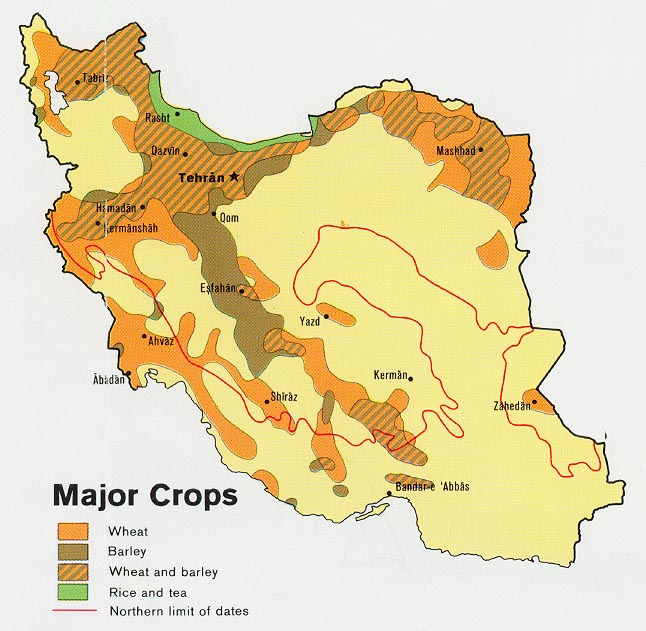
Individual > Gallery WalkPost ten pictures around the room of different farming tools and of the different kinds of food grown both in Canada and Iran. Five pictures will be from Canada labeled A, B, C, D, and E and five will be from Iran labeled 1, 2, 3, 4, and 5. Direct students to do a gallery walk individually and write down three to five things they see in each photo. Whole Class > Venn DiagramChoose two photos (one from Canada and one from Iran, e.g. C and 2) and create a Venn diagram on chart paper or on the blackboard. As a class, fill in the similarities and differences. | Assessment for LearningAsk students if there are any other words they could use for farming or agriculture to ensure an understanding of the topic. Quick TipThere may be students who live on farms in the class or who have come to Canada from farming communities in other countries. Ask them about the agricultural practices with which they are familiar and have them demonstrate using movement.Link and LayerReferring to a skeleton or to a picture of a skeleton, ask the students which muscle group is in dominant use during each of the three movements viewed in the Gilani dance in the video clip. HyperlinksMap of major crops in Iran: https://maps.lib.utexas.edu/maps/middle_east_and_asia/iran_crops_1978.jpg Dance clip:https://www.youtube.com/watch?v=0C4rnzvbhck
|
Approximately 45 minutesAction! | |
Small Group > Creating MovementAssign a small group to each photo and have the students create a moving shape that communicates the most important comparison point, either a similarity or a difference, between the two photos (e.g. the similarities and/or differences between a Canadian crop and an Iranian crop). Whole Class > DiscussionShow a map of major crops and where they grow in Iran (see Hyperlinks) and in Canada.Lead a discussion about how and why the type of crop being planted, grown and harvested may result in different dance movements. Whole Class > Viewing Gilani DanceHandout the information sheet on Gilani Dance (see BLM #1). Show a Gilani dance clip from the internet or from another source (see Hyperlinks). Focus the students on the steps that show agricultural movements such as picking the tea, cleaning the rice, and cutting the wheat. Pairs > Creating Movement VocabularyInstruct students to pick a partner and spread out around the room. Tell each pair to recreate three movements from the video clip to feel the choreography in their bodies. Side-coach the students to ensure the movements are being done as accurately as possible. Small Group > Creating Movement VocabularyCreate groups of 4-5 students and ask them to begin to create their interpretation of Canadian agricultural dances, inspired from the knowledge of Canadian crops gained at the beginning of the class. This is also an opportunity for students from other countries to add in their own farming movements. Explain to students that they will each be responsible for coming up with two movements, using the elements of dance. The group will be responsible for connecting the movements. | |
Approximately 10 minutesConsolidation | |
Whole Class > Sharing Works in ProgressHave each group share their works in progress with the class. Ask the class to provide feedback after each group has performed. Note: Students will need time in a subsequent class to continue revising and refining their dance pieces before they are evaluated. Homework: Students will research agricultural practices of one of our First Nations and develop one movement based on one practice. They will write a short paragraph describing the information upon which they based their movement. Students will share their movement in a whole class circle and hand in their paragraphs the next day during "Minds On" before they continue work on their compositions. |